




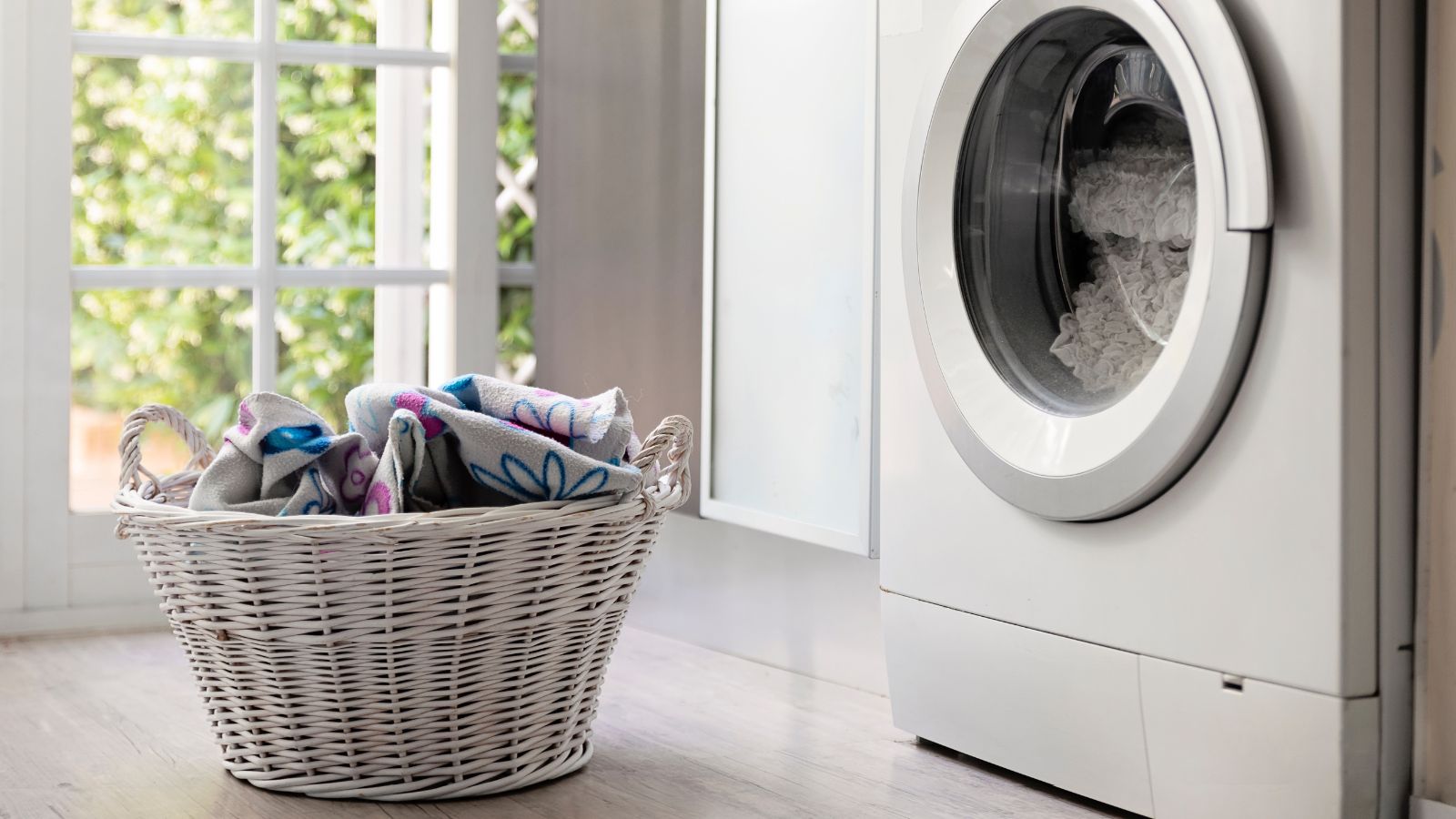
A washing machine has become an essential household appliance for modern families. It reduces the time and physical effort required to clean clothes while offering different programs for everyday garments, delicate fabrics, towels, bedding, and heavily soiled laundry. With so many types, capacities, and features available, choosing the right machine requires more than simply comparing prices.
A good washing machine should match your household size, laundry habits, available space, water supply, electricity usage, and budget. Modern models can also include inverter motors, specialized wash cycles, smart sensors, steam functions, and automatic load detection.
Why Choosing the Right Washing Machine Matters
The right washing machine can make laundry considerably easier. Instead of manually washing and rinsing clothes, users can load the drum, select a suitable program, and allow the machine to handle most of the process automatically.
Capacity is particularly important. A machine that is too small may require several cycles, while an unnecessarily large machine can occupy more space and may not be economical for a small household. As a general guide, smaller households may find 6–7 kg machines suitable, medium families often consider around 8–9 kg, while larger families may benefit from 10 kg or more.
Understanding Different Types of Washing Machines
Washing machines generally fall into several categories, including semi-automatic, top-load automatic, front-load automatic, and washer-dryer combination machines. Each design has different advantages.
Semi-Automatic Washing Machines
Semi-automatic machines can be a practical choice for buyers who want a simpler appliance and lower initial cost. Depending on the design, washing and spinning may take place in separate compartments, meaning the user may need to move clothes between tubs.
They can be useful where water availability or household routines make manual control desirable. However, they generally require more involvement than fully automatic machines.
Top-Load Washing Machines
Top-load machines are loaded from above and are popular because they are straightforward to operate. They can be easier to load and unload because users do not need to bend down as much.
Some top-load machines use a central agitator, while high-efficiency models may use an impeller. The choice can affect washing action, fabric care, cycle duration, and water consumption.
Front-Load Washing Machines
Front-load machines open from the front and use tumbling action to move clothes through water and detergent. They are generally recognized for efficient water use and effective fabric care, although wash cycles can sometimes take longer.
A front-load design can be particularly attractive for households that prioritize water efficiency, thorough cleaning, and advanced laundry programs.
Vision Washing Machine: What Should Buyers Look For?
When researching a Vision Washing Machine, it is important to focus on the actual specifications of the particular model rather than choosing based solely on the name. Buyers should examine capacity, washing programs, motor technology, spin performance, energy consumption, dimensions, warranty coverage, and available service support.
The ideal Vision Washing Machine should provide enough capacity for the household without encouraging users to overload the drum. A correctly sized machine can make regular laundry more convenient and help maintain consistent washing performance.
It is also worth checking whether the model offers useful features such as automatic load sensing, multiple water levels, quick wash programs, delicate cycles, child safety controls, and drum-cleaning functions.
Capacity Is One of the Most Important Features
Washing machine capacity is usually measured in kilograms and refers to the approximate amount of dry laundry the machine is designed to handle.
A small household may not need a very large drum, whereas a family that regularly washes bedsheets, towels, blankets, and large clothing loads may benefit from greater capacity. Overloading a machine can restrict the movement of clothes and may reduce washing effectiveness.
Instead of choosing the biggest available model, consider how frequently you wash clothes and the size of your typical loads.
Energy and Water Efficiency
Energy and water efficiency should be considered alongside the purchase price. A machine that costs less initially may not necessarily be the most economical over several years if it uses substantially more electricity or water.
Modern washing machines can incorporate technologies designed to optimize water and energy use. Front-load machines, for example, generally use less water than traditional top-load designs, while high-efficiency models can also reduce resource consumption.
When comparing models, look for official energy information and manufacturer specifications rather than relying only on marketing descriptions.
Inverter Motors and Modern Technology
Inverter motor technology has become an important feature in many modern washing machines. Instead of operating at one constant speed, an inverter motor can adjust its operation according to the requirements of the cycle.
Potential advantages include quieter operation, improved efficiency, and reduced mechanical stress. Some newer washing machines also use sensors to estimate load size and automatically adjust aspects of the wash cycle.
However, technology should serve a practical purpose. Buyers should prioritize features they will actually use instead of paying extra for functions that do not suit their laundry routine.
Useful Washing Programs
Different fabrics and levels of dirt require different washing approaches. A versatile washing machine may include programs such as:
- Cotton
- Synthetics
- Delicates
- Quick wash
- Heavy-duty washing
- Bedding
- Wool or hand-wash cycles
- Rinse and spin
- Drum-cleaning programs
These settings can make it easier to select an appropriate washing method instead of using the same cycle for every type of clothing.
Spin Speed and Drying Performance
The spin cycle removes excess water from clothes before they are taken out of the machine. A stronger spin can leave laundry with less moisture, potentially reducing the amount of time required for subsequent air-drying or tumble-drying.
However, maximum spin speed is not the only factor that matters. Different fabrics may require gentler settings, so having adjustable spin options can be more useful than simply choosing the machine with the highest advertised speed.
Noise and Vibration
Noise can become an important consideration when the washing machine is installed near bedrooms, living spaces, or apartments.
A properly levelled machine generally performs better and can experience less unnecessary vibration. Motor design, drum construction, load distribution, flooring, and installation can all influence operating noise.
For buyers who prioritize quiet operation, it is worth checking the manufacturer’s noise specifications where available.
Smart Features: Are They Worth It?
Some modern washing machines include Wi-Fi connectivity, mobile applications, automatic diagnostics, and smart-cycle recommendations. Advanced models may even use sensors or AI-based systems to adjust washing settings according to the load.
These features can be convenient, but they are not essential for everyone. A household that wants simple laundry management may be better served by a reliable machine with good capacity, efficient washing programs, and straightforward controls.
Maintenance Can Extend the Life of a Washing Machine
Regular maintenance is just as important as selecting a good machine. Users should avoid consistently overloading the drum, clean detergent compartments when necessary, and follow the manufacturer’s instructions for maintaining the drum and filters.
After using a front-load machine, leaving the door open for a while can help the interior dry and reduce unpleasant moisture-related odors. Proper detergent usage is also important because excessive detergent can leave residue inside the machine.
It is also wise to inspect water hoses and connections periodically and address unusual noises, leaks, or drainage problems promptly.
How to Choose the Best Washing Machine for Your Home
Before purchasing, make a simple checklist based on your household’s requirements. Consider how many people will use the machine, how often laundry is done, the average load size, available installation space, water availability, electricity costs, and your preferred level of automation.
For a buyer considering a Vision Washing Machine, comparing these practical specifications can provide a clearer picture of whether a particular model fits the home. The best appliance is not necessarily the one with the most features; it is the one that offers the right balance between capacity, performance, efficiency, convenience, and long-term reliability.
Final Thoughts
A washing machine is a long-term household investment, so careful selection can make everyday laundry easier and more efficient. Understanding the difference between top-load and front-load designs, choosing an appropriate capacity, considering water and energy consumption, and checking useful features can help buyers make a more informed decision.
Whether you are exploring a Vision Washing Machine or comparing different washing machine options, focus on the specifications that match your actual laundry needs. A practical combination of reliable performance, suitable capacity, efficient operation, convenient programs, and dependable after-sales support can make a washing machine a valuable addition to any modern home.