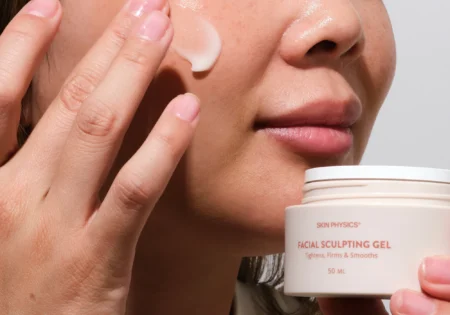





Healthy-looking skin is rarely the result of one expensive product or complicated beauty treatment. Instead, the appearance of the skin is often influenced by simple habits practiced consistently. Gentle cleansing, sun protection, adequate moisture, sufficient sleep, and a balanced lifestyle can all contribute to a smoother and more comfortable complexion. Dermatologists also emphasize choosing products according to individual skin needs and avoiding habits that unnecessarily irritate the skin.
1. Cleanse Your Skin Gently
Cleansing helps remove sweat, excess oil, makeup, dirt, and environmental residue from the skin. However, aggressive scrubbing or washing too frequently can cause irritation and may make certain skin concerns worse.
A gentle cleanser and lukewarm water are generally preferable to harsh soaps or abrasive scrubs. For many people, washing the face when waking up, before bed, and after heavy sweating is a practical routine.
2. Make Sunscreen a Daily Habit
Sun protection is one of the most valuable habits for maintaining healthy-looking skin. Regular exposure to ultraviolet radiation can contribute to premature skin aging, uneven pigmentation, wrinkles, and other forms of skin damage.
A broad-spectrum sunscreen with SPF 30 or higher is commonly recommended. When spending extended time outdoors, sunscreen should be reapplied as directed, while shade, protective clothing, and hats can provide additional protection.
3. Moisturize Consistently
Moisturizer helps reduce water loss and can leave the skin feeling softer and more comfortable. It can be especially useful after cleansing or bathing, when the skin is still slightly damp.
The ideal formula depends on your skin type. Lightweight products may suit oily skin, while creams or ointments can be more helpful for very dry skin. People with acne-prone skin can look for products labeled non-comedogenic or oil-free.
4. Avoid Over-Exfoliating
Exfoliation can make skin feel smoother, but more is not necessarily better. Excessive physical scrubbing or frequent use of strong exfoliating ingredients can disrupt the skin’s protective barrier and cause redness, dryness, or irritation.
Instead of constantly trying to remove every trace of dead skin, focus on a gentle routine that your skin tolerates well. If a product causes persistent burning or irritation, consider stopping it and seeking professional advice.
5. Get Enough Quality Sleep
Sleep is an important part of an overall healthy lifestyle, and it can also influence how refreshed the skin appears. Poor or insufficient sleep may be associated with signs such as tired-looking eyes and a dull complexion.
Creating a consistent sleep schedule, reducing late-night screen exposure, and maintaining a relaxing bedtime routine can make it easier to get adequate rest. Dermatologists also recognize sleep as one component of healthy skin habits.
6. Keep Your Routine Simple and Consistent
Trying a different skincare product every few days can make it difficult to determine what actually benefits your skin. Constantly changing products may also increase the chance of irritation.
A straightforward routine built around cleansing, moisturizing, and sun protection can provide a strong foundation. Once your skin is comfortable with these basics, additional products can be introduced gradually according to a specific concern.
7. Eat a Balanced Diet
Beautiful skin begins with overall health. A balanced eating pattern that includes fruits, vegetables, lean sources of protein, whole grains, and healthy fats provides the body with a variety of nutrients needed for normal functioning.
Rather than relying on one so-called beauty food, focus on variety and consistency. A nutritious diet can complement a good skincare routine and support general well-being.
8. Stay Hydrated
Adequate fluid intake is another useful lifestyle habit. Dehydration can contribute to a dry or less refreshed appearance, although drinking more water is not a substitute for topical skincare when the skin barrier needs attention.
Along with maintaining sensible fluid intake, applying moisturizer can help reduce moisture loss from the skin. Keeping both lifestyle and skincare habits balanced is a practical approach to maintaining comfortable-looking skin.
9. Manage Stress in Healthy Ways
Long periods of stress can affect more than mood and energy. Dermatologists note that stress may contribute to flare-ups of certain skin conditions, including acne, eczema, psoriasis, and rosacea.
Simple activities such as walking, exercising, relaxing with a hobby, practicing breathing exercises, or maintaining healthy social connections can help make stress easier to manage.
10. Seek Professional Advice When Needed
A consistent home routine can do a lot, but some skin concerns require professional assessment. Persistent acne, unusual changes in pigmentation, severe dryness, irritation, or a changing or bleeding skin spot should not simply be covered with cosmetics.
If you are considering professional cosmetic treatments, researching qualified providers and discussing your skin type, goals, allergies, and medical history beforehand is important. Someone searching for a Best Med Spa Near Me should focus not only on convenience but also on qualified professionals, appropriate treatment recommendations, hygiene standards, and realistic expectations.
Build Habits Instead of Chasing Quick Fixes
Healthy-looking skin is usually supported by consistency rather than a complicated collection of products. Gentle cleansing, daily sun protection, regular moisturizing, adequate sleep, nutritious food, hydration, stress management, and avoiding unnecessary irritation create a practical foundation for everyday skincare.
Most importantly, remember that everyone’s skin is different. A routine that works beautifully for one person may not suit another. When skin problems persist or become uncomfortable, professional dermatological advice can help identify the underlying issue and create a more appropriate care plan.