


In today’s fast-paced, data-driven world, efficiency and accuracy are essential for business success. Whether you run a retail store, warehouse, healthcare facility, or eCommerce operation, barcode label printers play a critical role in streamlining operations. From inventory management to shipping logistics, these devices help businesses maintain precision, reduce errors, and improve productivity.
This guide explores everything you need to know about barcode label printers, including their benefits, types, applications, and how to choose the right one for your needs.
What Is a Barcode Label Printer?
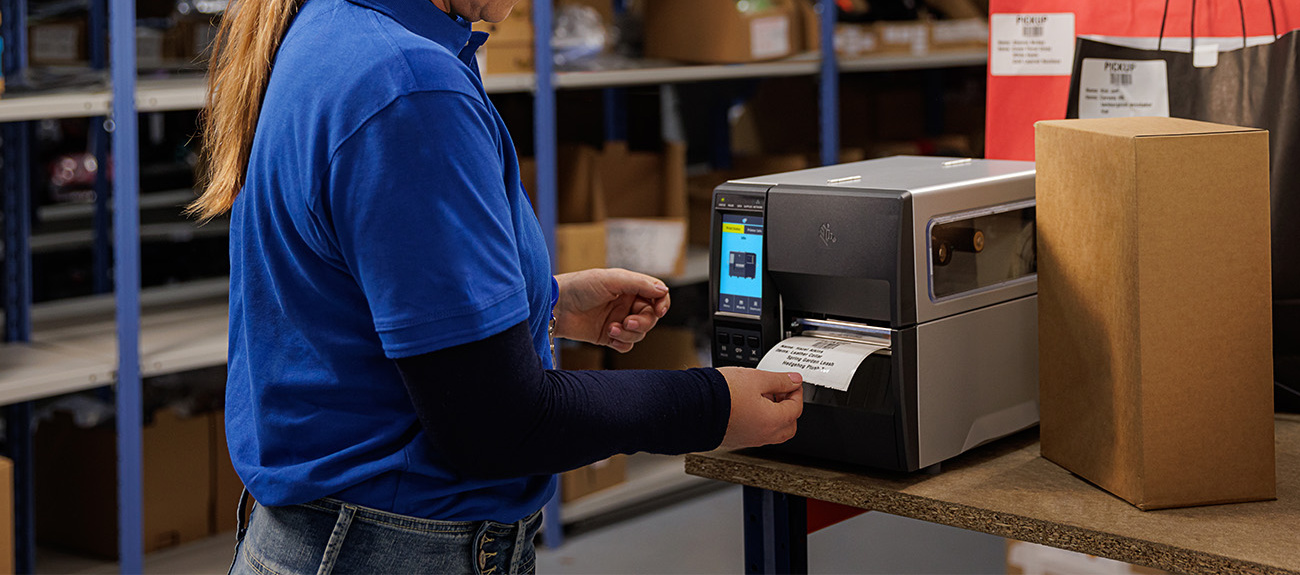
A barcode label printer is a specialized device designed to print labels containing barcodes, text, and graphics. Unlike standard printers, these machines are optimized for high-speed, high-volume printing and are capable of producing durable labels that can withstand harsh environments.
Barcode labels typically include:
- Product identification codes
- Serial numbers
- Pricing information
- Shipping details
- QR codes for digital interaction
These labels are scanned using barcode scanners, enabling quick and accurate data retrieval.
Why Barcode Label Printers Are Essential
1. Improved Accuracy
Manual data entry is prone to human error. Barcode systems eliminate this risk by automating data capture, ensuring accurate inventory tracking and order processing.
2. Increased Efficiency
Barcode label printers significantly speed up operations. Employees can scan items instantly rather than manually entering data, saving time and boosting productivity.
3. Cost Savings
By reducing errors and improving workflow efficiency, businesses can cut operational costs, minimize returns, and avoid inventory discrepancies.
4. Better Inventory Management
Real-time tracking allows businesses to monitor stock levels, reduce overstocking or stockouts, and optimize supply chain operations.
5. Professional Branding
Custom labels with logos, product details, and barcodes enhance brand visibility and provide a professional look.
Types of Barcode Label Printers
Choosing the right type of barcode label printer depends on your specific business requirements.
1. Direct Thermal Printers
These printers use heat-sensitive paper to produce images. They are ideal for short-term applications like shipping labels and receipts.
Pros:
- No ink or toner required
- Low maintenance
- Cost-effective
Cons:
- Labels fade over time
- Not suitable for long-term use
- Thermal Transfer Printers
These printers use a ribbon to transfer ink onto the label, producing more durable prints.
Pros:
- Long-lasting labels
- Resistant to heat, moisture, and chemicals
- Suitable for industrial use
Cons:
- Requires ribbon replacement
- Slightly higher operating cost
- Inkjet and Laser Label Printers
While less common for barcode printing, these printers are used for high-resolution labels with graphics.
Pros:
- High-quality output
- Ideal for branding and packaging
Cons:
- Slower for bulk printing
- Higher ink/toner costs
Key Features to Consider
When selecting a barcode label printer, consider the following factors:
Print Resolution
Measured in DPI (dots per inch), higher resolution ensures clearer, more scannable barcodes.
Print Speed
Faster printers are essential for high-volume environments like warehouses and distribution centers.
Connectivity
Look for options like USB, Ethernet, Wi-Fi, or Bluetooth for seamless integration with your systems.
Label Size Compatibility
Ensure the printer supports the label sizes you need for your products or shipping requirements.
Durability
Industrial environments require rugged printers that can withstand dust, heat, and heavy usage.
Common Applications
Barcode label printers are used across various industries:
Retail
- Price tagging
- Inventory tracking
- Point-of-sale systems
Warehousing & Logistics
- Shipping labels
- Pallet tracking
- Order fulfillment
Healthcare
- Patient identification
- Medication labeling
- Lab sample tracking
Manufacturing
- Product labeling
- Asset tracking
- Quality control
eCommerce
- Order labeling
- Shipping and returns
- SKU management
How to Choose the Right Barcode Label Printer
Selecting the right printer depends on your business size, industry, and printing needs.
- Small Businesses: Desktop printers are compact, affordable, and ideal for low-volume printing.
- Medium Businesses: Mid-range printers offer a balance of speed, durability, and cost.
- Large Enterprises: Industrial printers are built for high-volume, continuous operation in demanding environments.
Ask yourself:
- How many labels do I print daily?
- Do I need long-lasting labels?
- What level of print quality is required?
- Will the printer be used in harsh conditions?
Answering these questions will help narrow down your options.
Maintenance Tips for Longevity
To ensure optimal performance and extend the life of your barcode label printer:
- Clean the print head regularly
- Use high-quality labels and ribbons
- Avoid dust and debris buildup
- Follow manufacturer guidelines
- Schedule routine maintenance checks
Future Trends in Barcode Printing
The barcode printing industry continues to evolve with technology advancements:
- Wireless Printing: Increased use of mobile and cloud-based printing solutions
- Integration with IoT: Smart systems for real-time tracking and automation
- Eco-Friendly Labels: Sustainable materials and energy-efficient printers
- QR Codes Expansion: Enhanced customer engagement through scannable codes
Conclusion
Barcode label printers are more than just printing devices they are essential tools for improving efficiency, accuracy, and scalability in modern business operations. Whether you’re managing a small retail shop or a large warehouse, investing in the right barcode printing solution can transform your workflow and boost productivity.
By understanding the different types, features, and applications, you can make an informed decision and choose a printer that aligns perfectly with your business needs.
If you’re looking to enhance your operations, now is the time to adopt a reliable barcode label printer and stay ahead in an increasingly competitive marketplace.