



In South Korea, the evolution of mobile micropayments has become a prime example of how technology can reshape everyday finance. The seamless shift from digital transactions tied to telecom billing to fast and secure cash-out services showcases the country’s ability to turn tiny amounts into big economic movements.
1.The Role of Carrier Billing in Korean Micropayment Culture
Carrier billing was once limited to mobile games and ringtone downloads. Now, it enables users to make purchases through their telecom provider and convert digital credits into real-world currency. In Korea, where smartphone penetration is one of the highest globally, users comfortably charge services to their phone bills without needing bank cards. This behavior has laid a strong seo foundation for efficient micropayment adoption.
- A Cultural Affinity for Speed and Simplicity
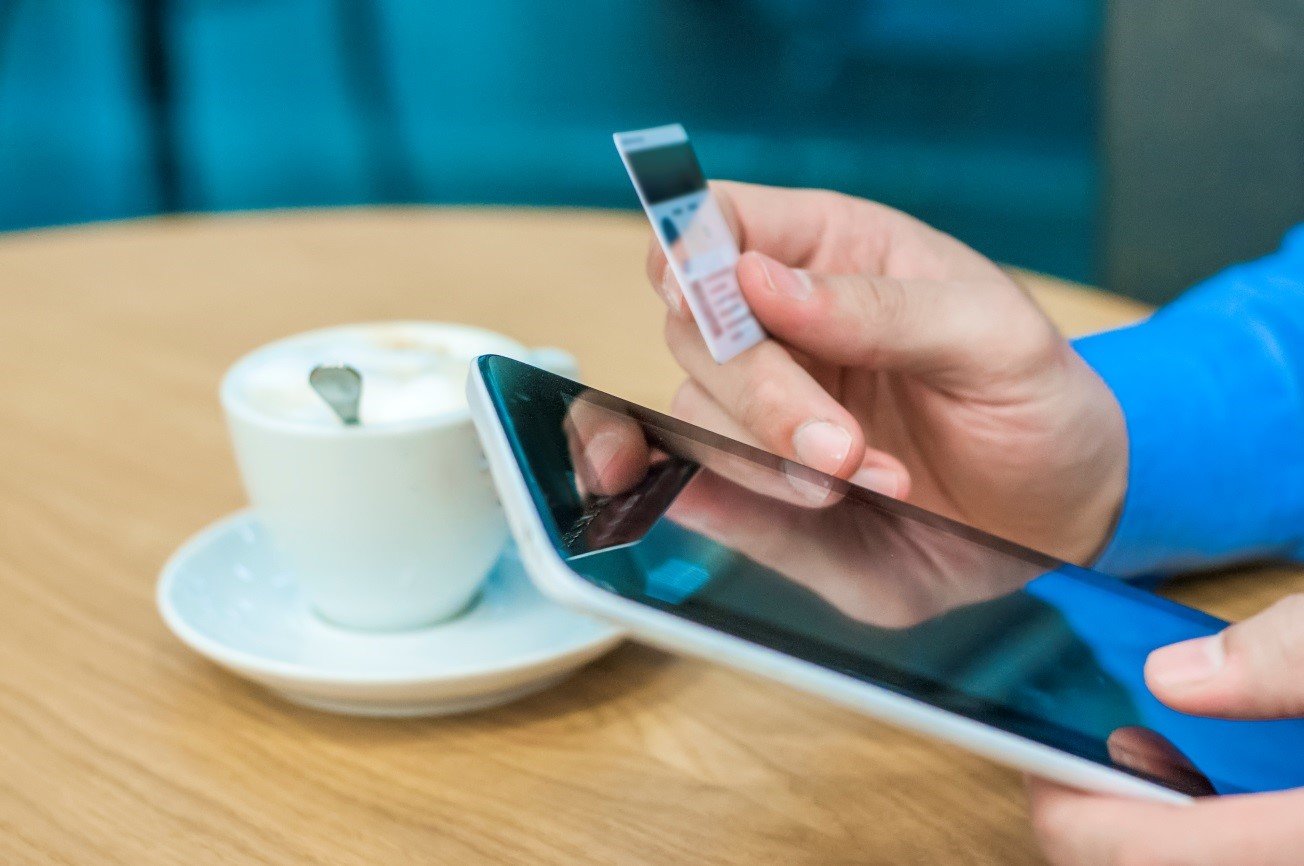
Korean consumers are accustomed to high-speed internet and rapid mobile interfaces. This expectation carries over into finance. Whether ordering coffee or subscribing to e-learning platforms, they value quick, hassle-free payments. Micropayment systems built on carrier billing deliver exactly that — one-click transactions, verified instantly, logged securely.
- Expanding Beyond Content Purchases
Micropayments were once confined to games and content platforms. But now, they’re used for streaming subscriptions, transit fees, even donations to creators. This expansion has driven innovation among fintech startups, many of which offer specialized cash-out services tailored for gig workers and freelancers. These services convert accumulated balances into KRW bank deposits within minutes.
- Regulation and Security Advances
With widespread use comes a need for stronger oversight. Korea’s Financial Services Commission has introduced compliance standards to ensure that mobile payments are not exploited for fraud or unauthorized billing. Today, most platforms include biometric verification and tokenized security layers. As a result, consumers enjoy greater trust when using these digital systems.
- The Rise of User-Friendly Cash-Out Interfaces
What sets Korea apart is its commitment to user-centric design. Interfaces are clean, intuitive, and embedded within familiar apps. A user can click on their telecom payment balance and cash it out with just a few taps. Platforms compete not just on speed but on experience, often offering incentives like fee waivers for frequent users.
- Where Cash-Out Systems Are Headed
The next wave of innovation involves artificial intelligence for fraud detection and predictive analytics to customize user cash-out options. As these technologies mature, users will receive tailored limits, alerts, and recommendations based on their behavior. One emerging leader, as seen in the Korean Mobile Cash-Out Market Overview, focuses on combining automation with human oversight to maintain transparency.
- Lessons for Global Markets
Korea’s approach to micropayments shows that user experience, trust, and real-time service can coexist. While other countries rely on bank-led mobile payments, Korea’s telecom-led model proves how infrastructure and regulation can enable financial inclusion, especially for the younger generation or those without credit cards.