




Autonomy has come a long way. Machines can now see their surroundings, make decisions, and move through complex environments with little or no human input. From self-driving vehicles to autonomous equipment in mining and agriculture, the technology works in controlled settings and continues to improve.
Yet many autonomy programs never reach full deployment.
They succeed in development. They build strong prototypes. They demonstrate impressive capabilities. Then they stall.
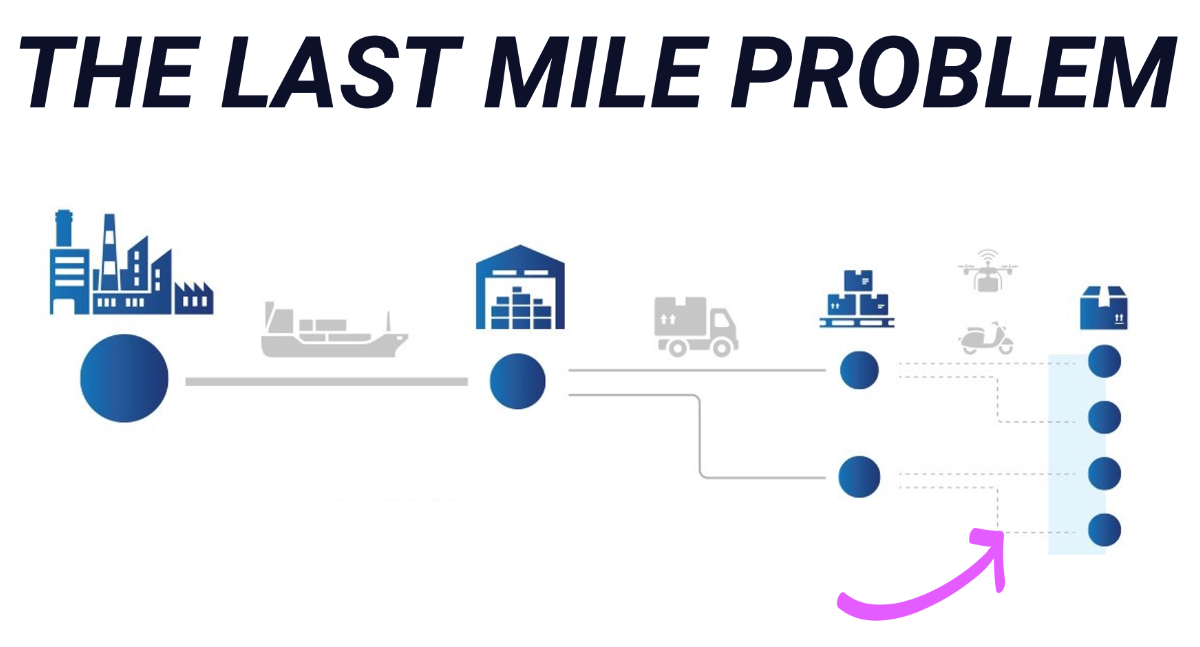
This is the last mile problem in autonomy. It is the gap between proving a system can work and proving it can work reliably in the real world at scale. Closing that gap is often harder than building the system in the first place.
Why Development Feels Like Progress
Development is visible. Teams build models, run tests, and show results. Progress is measured in benchmarks and demos. Each improvement feels like a step forward.
Early success is encouraging. A vehicle navigates a test route. A machine completes a task without human input. These milestones create momentum and confidence.
But development happens in controlled conditions. Even when teams test in real environments, those environments are limited. They do not capture the full range of variability that systems will face once deployed.
This creates a false sense of readiness.
The Reality of Deployment
Deployment introduces a different set of challenges.
Systems must operate continuously, not just during tests. They must handle unexpected conditions without supervision. They must integrate with existing infrastructure, workflows, and regulations.
Small issues that seem manageable in development become major problems in deployment.
A sensor glitch that happens once in testing may happen daily in the field. A rare edge case may appear frequently at scale. A minor software inconsistency can lead to system-wide instability.
Deployment is where complexity multiplies.
The Hidden Work of Going Live
Many teams underestimate how much work happens after a system “works.”
Deployment requires:
- Reliable software updates across fleets
- Continuous monitoring of system performance
- Clear processes for handling failures
- Integration with human operators and workflows
- Compliance with safety and regulatory standards
Each of these areas introduces risk. Each requires its own tools and infrastructure.
Without these systems in place, autonomy cannot move beyond pilot programs.
Why Pilots Do Not Scale
Pilot programs are designed to prove feasibility, not scalability.
They often operate under ideal conditions. Routes are selected carefully. Environments are controlled. Support teams are nearby. Problems are handled manually.
These conditions do not exist at scale.
When autonomy expands beyond pilots, variability increases. Systems encounter new environments, new users, and new edge cases. The support structure that kept pilots running smoothly becomes impractical.
Many programs stall at this point because they were not designed for scale from the beginning.
The Importance of Continuous Validation
One of the biggest challenges in deployment is maintaining confidence over time.
In development, validation happens before release. In deployment, validation must continue constantly.
Systems evolve. Software updates introduce changes. New data reveals new behaviors.
Without continuous validation, teams lose visibility. They cannot be sure whether the system is improving or drifting.
This uncertainty slows decision-making and increases risk.
Strong deployment requires validation tools that operate in parallel with real-world systems. These tools track performance, identify issues, and ensure that updates do not introduce new problems.
Data Becomes More Valuable After Deployment
Many teams focus heavily on data collection during development. They gather large datasets to train models and improve performance.
But the most valuable data often comes after deployment.
Real-world usage reveals patterns that were not visible before. Edge cases appear more clearly. System weaknesses become easier to identify.
The challenge is turning this data into actionable improvements.
Without proper infrastructure, deployment data becomes overwhelming. It is collected but not fully understood. Opportunities for improvement are missed.
Teams that succeed treat deployment as a learning system. Data flows back into simulation and development. Improvements are tested and redeployed quickly.
The Role of Simulation in Deployment
Simulation is not just a development tool. It is critical for deployment as well.
When new issues appear in the field, simulation allows teams to recreate those scenarios safely. They can test fixes repeatedly and confirm improvements before deploying updates.
This feedback loop reduces risk and speeds up iteration.
Without simulation, teams must rely on additional real-world testing, which is slower and more expensive.
Simulation bridges the gap between field experience and system improvement.
Infrastructure Makes Deployment Possible
The last mile problem is not solved by better models alone. It is solved by better infrastructure.
Deployment infrastructure includes:
- Tools for managing fleets and updates
- Systems for monitoring performance in real time
- Platforms for validating changes continuously
- Data pipelines that connect field experience to development
These systems work together to support autonomy at scale.
Companies like Applied Intuition focus on building this kind of infrastructure, helping organizations move from development to deployment across automotive, industrial, and defense applications.
Their work highlights a key shift in the industry. Success is no longer defined by building autonomy. It is defined by operating it reliably.
Organizational Challenges Matter Too
Technology is only part of the problem.
Deployment requires coordination across teams. Engineering, operations, safety, and leadership must align. Processes must be clear. Responsibilities must be defined.
Organizations that excel in development sometimes struggle with this transition. They are built for innovation, not operations.
Closing the last mile gap requires a shift in mindset. Teams must think about long-term reliability, not just short-term breakthroughs.
Why the Last Mile Is Worth Solving
Despite the challenges, solving the last mile problem unlocks enormous value.
Autonomous systems can improve safety, reduce costs, and increase productivity. They can operate in environments that are dangerous for humans. They can enable new services and capabilities.
But these benefits only appear at scale.
A successful pilot is a proof of possibility. A successful deployment is a proof of value.
The Industry Is Starting to Adapt
The autonomy industry is beginning to recognize that deployment is the real challenge.
More investment is going into infrastructure. More attention is being paid to validation and operations. Teams are designing systems with deployment in mind from the start.
This shift is gradual but important.
As more programs move beyond pilots, best practices will emerge. Tools will improve. Confidence will grow.
Conclusion: The Hardest Step Comes Last
In autonomy, building the system is only the beginning.
The hardest step is getting that system to work reliably in the real world, every day, at scale. That is the last mile problem.
It is not solved by a single breakthrough. It is solved by connecting development to deployment through strong infrastructure, continuous validation, and effective operations.
As autonomy continues to evolve, the teams that succeed will be the ones that focus on this final step. They will not just build impressive systems. They will make them work where it matters most.
And in doing so, they will turn autonomy from a promising technology into a dependable part of everyday life.