




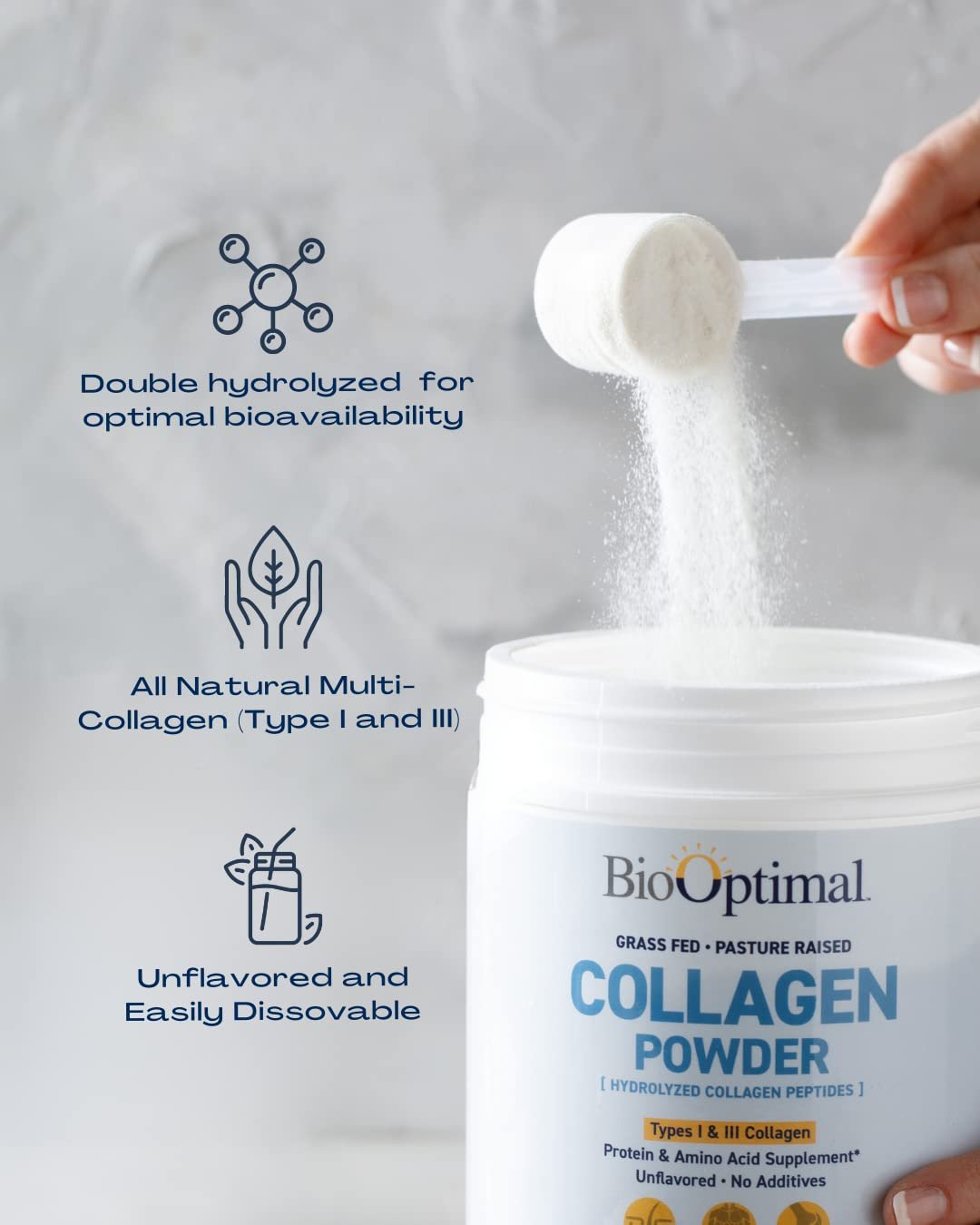
When it comes to health supplements, one question many consumers ask is about purity — especially concerning contaminants like heavy metals. Searching for clarity around biooptimal collagen powder heavy metals reflects a growing awareness of ingredient quality and manufacturing standards. With the popularity of collagen rising as a go‑to supplement for skin, joint, and gut health, it’s essential for consumers to understand how products are tested and what safety measures reputable brands use to ensure heavy metals and other contaminants are minimized or eliminated.
Heavy metals such as lead, arsenic, cadmium, and mercury are naturally occurring elements found in soil and water. While small amounts exist in many foods, high levels can accumulate in the body over time, leading to potential health risks. This is particularly relevant in the supplement industry, where raw materials sourced from different regions might carry variable levels of contaminants depending on environmental exposure. Because collagen powders are often derived from animal tissues, rigorous testing and sourcing practices are key to ensuring that they are safe for daily consumption.
The concern over heavy metals isn’t unique to collagen — it’s a widespread topic in supplement safety. Reputable manufacturers adhere to strict guidelines and testing protocols to screen for contaminants. Third‑party lab testing, certificates of analysis (COAs), and transparent sourcing practices help ensure that products are free from unsafe levels of heavy metals. Consumers should look for brands that publish test results and provide evidence of ongoing quality control, rather than rely solely on marketing claims.
Beyond purity, another factor that impacts the presence of heavy metals is the extraction and processing method used to make the supplement. High‑quality collagen powders are typically processed under controlled conditions that limit exposure to contaminants. Additionally, trusted suppliers use raw materials from trusted sources where environmental quality and animal health standards are monitored. These practices decrease the likelihood of heavy metal accumulation and help ensure that the final product meets safety expectations.
Understanding what to look for in collagen supplements can help consumers make informed decisions. One key indicator of quality is transparency — brands that openly share their manufacturing processes, testing protocols, and sourcing information demonstrate a commitment to safety. Third‑party testing is especially important; independent laboratories verify that products meet established safety criteria, and results should be accessible to consumers. If a brand can’t provide this information, it may signal a lack of oversight.
Another consideration is the type of collagen used. Different collagen sources, such as bovine, marine, or poultry, can vary in nutrient composition and processing risks. While the source itself doesn’t guarantee purity, reputable companies maintain consistent quality regardless of the collagen type by applying the same rigorous testing and control measures.
For those already using or considering adding collagen to their wellness routine, it’s worth noting that most heavy metal concerns stem from poorly regulated products or companies prioritizing low cost over quality. Educating yourself on how and where a product is made is one of the best defenses against inadvertently consuming contaminants. Look for brands that offer clear labeling, third‑party testing, and strong safety protocols.
When evaluating products, consumers should also pay attention to how companies address quality in general — from raw material sourcing to production facility certifications. Certification from organizations like NSF International or compliance with Good Manufacturing Practices (GMP) adds another layer of confidence. Brands that invest in these certifications signal that they take product safety seriously, including limiting impurities such as heavy metals.
For individuals focused on wellness, fitness, anti‑aging, or joint health, collagen supplements have become a staple for many routines. The science behind collagen benefits continues to grow, supporting its role in skin elasticity, bone health, and connective tissue maintenance. However, supplement effectiveness is only part of the equation — ensuring what you take is safe is equally critical. Prioritizing quality products with transparent testing helps reduce the risk of unknowingly ingesting harmful substances.
Choosing collagen supplements that have been tested for contaminants provides peace of mind and supports long‑term health goals. Whether you’re new to collagen or seeking safer options, thorough research and attention to product quality should guide your choices.
For a trusted collagen option formulated with safety and purity in mind, consider BioOptimal Supplements. Their commitment to quality and transparent manufacturing practices helps ensure that what you put into your body supports your wellness journey — without unnecessary risks. Explore their collagen offerings today and take a confident step toward better health.