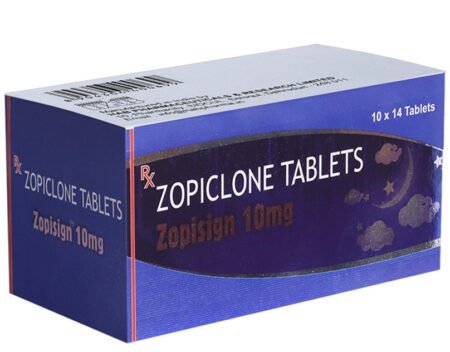





This article explores the benefits and risks of short-term Zopiclone use, helping you understand how it works and why medical guidance limits its duration.
What is Zopiclone and How Does It Work?
Zopiclone belongs to a group of medicines known as “Z-drugs”, which act on the brain’s calming neurotransmitter system (GABA). By enhancing this natural chemical, it helps slow down brain activity, making it easier to fall asleep and stay asleep.
It typically begins working within about one hour, making it useful for people who struggle with sleep onset or frequent night awakenings.
Short-Term Benefits of Zopiclone
When used appropriately and for a limited time, Zopiclone can provide several important benefits:
1. Faster Sleep Onset
One of its main effects is reducing the time it takes to fall asleep, which can be especially helpful during acute stress or anxiety-related insomnia.
2. Improved Sleep Continuity
Zopiclone may reduce night-time awakenings, helping users achieve more continuous rest.
3. Short-Term Mental Relief
Poor sleep often worsens anxiety and mood instability. Short-term improvement in sleep can help stabilize emotional wellbeing during temporary life disruptions.
4. Clinical Effectiveness
Research shows Zopiclone is comparable in effectiveness to several older sedative medications while sometimes producing less daytime grogginess when used correctly in the short term.
Why Zopiclone is Only Recommended Short-Term
Medical guidelines consistently recommend using Zopiclone for no longer than 2–4 weeks.
The main reasons include:
- Rapid development of tolerance (reduced effect over time)
- Risk of physical and psychological dependence
- Possible rebound insomnia after stopping
- Reduced long-term effectiveness
In other words, while it can be effective quickly, the body adapts to it faster than many expect.
Risks of Short-Term Use (Even Within Guidelines)
Even when taken correctly, Zopiclone is not risk-free.
1. Daytime Drowsiness
Some users feel tired or “foggy” the next day, which can affect driving or work performance.
2. Memory and Cognitive Effects
Temporary memory lapses or reduced concentration can occur, especially if sleep is interrupted soon after taking it.
3. Metallic or Bitter Taste
A common but harmless side effect is a persistent metallic taste in the mouth.
4. Interaction with Alcohol
Alcohol significantly increases sedation and can lead to dangerously deep sleep states.
Dependence and Withdrawal Concerns
One of the most important risks is dependence, which can develop even after relatively short periods in some individuals.
If used longer than recommended:
- The body may require higher doses for the same effect
- Stopping suddenly can cause rebound insomnia
- Withdrawal symptoms may include anxiety and sleep disruption
This is why doctors usually advise tapering rather than stopping abruptly.
The Misleading Idea of “Easy Access” Online
Search terms like “zopiclone uk next day delivery” often reflect interest in convenience or urgent sleep relief. However:
- In the UK, Zopiclone is a prescription-only controlled medicine
- Legitimate pharmacies require a medical assessment before dispensing
- Unregulated sources can carry safety and legal risks
The safest approach is always through a licensed healthcare provider who can assess whether short-term use is appropriate.
When Zopiclone May Be Appropriate
Doctors may prescribe it for:
- Acute insomnia caused by stress or trauma
- Short-term sleep disruption (e.g., bereavement, job strain)
- Jet lag or shift-work adjustment
- Temporary worsening of chronic insomnia
It is generally not intended as a long-term solution for ongoing sleep disorders.
Safer Alternatives for Long-Term Sleep Health
Because Zopiclone is not designed for extended use, long-term management usually involves:
- Cognitive behavioural therapy for insomnia (CBT-I)
- Sleep hygiene improvements (consistent schedule, reduced screen use)
- Addressing anxiety or depression if present
- Relaxation techniques and structured bedtime routines
These approaches target the underlying cause rather than only the symptom.
Conclusion
Zopiclone can be a highly effective short-term aid for severe insomnia, offering rapid relief when sleep is urgently disrupted. However, its benefits come with clear limitations: tolerance, dependence, and reduced effectiveness over time.