


A small home does not need to limit your fitness routine. You can create a useful workout area in a bedroom, living room, hallway, garage corner, or even beside your desk. The right plan helps you use the available space without making your home feel crowded.
A small home gym should support your fitness goals and fit your daily routine. You do not need large machines or a separate room. You need enough floor space to move safely, a few useful tools, and a simple storage system. This guide explains how to create a practical home gym in a limited area.
Define Your Fitness Goals First
Your goals will help you choose the right equipment. Avoid buying workout tools before you decide what type of training you want to follow.
For strength training, you may need adjustable dumbbells, resistance bands, and a foldable bench. For cardio workouts, you could use a skipping rope, step platform, or compact exercise bike. Yoga and mobility exercises may only require a mat, foam roller, and stretching strap.
Choose equipment that supports several exercises. A resistance band set can help you train your chest, back, arms, shoulders, and legs. Adjustable dumbbells can replace several pairs of fixed weights. Multi-use equipment saves both money and space.
Measure the Available Area
Measure the length and width of your chosen workout space. Also measure nearby storage areas, such as a cupboard, shelf, or space under the bed.
Write down the measurements before you buy anything. Product photos can make equipment look smaller than it actually is. Check the full size of each item when you use it and when you store it.
Leave enough room between your body and nearby objects. You should not place weights near glass tables, televisions, or fragile decorations. A clear layout reduces the risk of accidents.
Choose Compact Exercise Equipment
Large gym machines can quickly take over a small room. Compact equipment gives you more freedom and allows you to change your workout routine.
Useful choices for a small home gym include:
- Adjustable dumbbells
- Resistance bands
- A yoga or exercise mat
- A skipping rope
- A kettlebell
- A foldable workout bench
- A doorway pull-up bar
- Sliders for floor exercises
- A foam roller
You do not need to buy everything at once. Start with two or three basic items. Add more equipment when your routine becomes consistent and your goals change.
From a Full Room to a Smart Corner
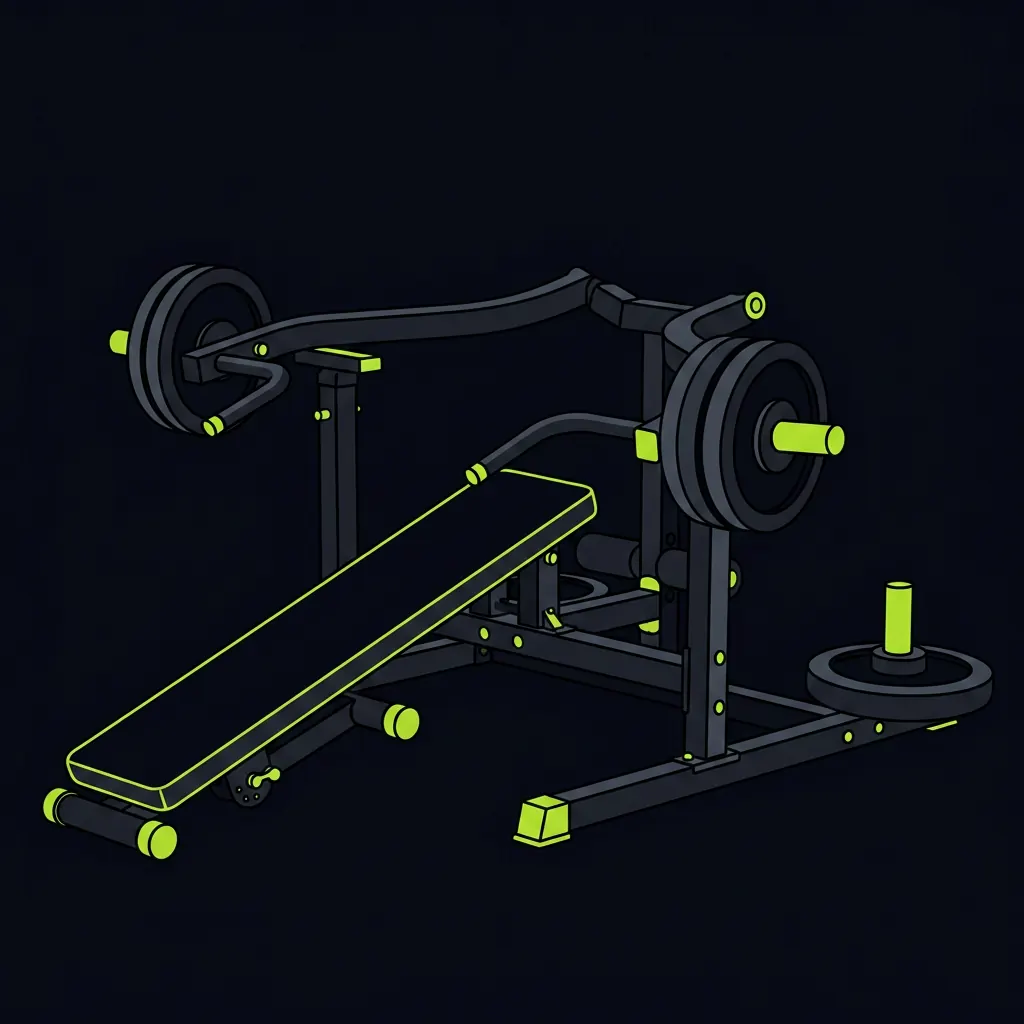
A modern home gym isn’t a permanent room; it’s a flexible space. It’s a corner of your living room that transforms into your personal fitness studio for 45 minutes and then seamlessly blends back into your home. The key to this philosophy is choosing compact equipment that doesn’t dominate your space but instead complements it. Today’s designs focus on functionality without bulk, allowing pieces to feel like a natural part of your home rather than intrusive additions. Exploring options from chestpressmachine.com can help you find efficient, space-saving equipment that aligns with this modern, minimalist approach.
Use Vertical Storage
Walls can provide useful storage when floor space remains limited. Install strong hooks, shelves, or wall-mounted racks for resistance bands, skipping ropes, mats, and light weights.
Use a storage basket for smaller items such as sliders, gloves, straps, and massage balls. You can also use a bench with built-in storage. Keep heavier equipment near the floor to reduce the risk of injury.
A clean storage system helps your gym area blend back into the room after your workout. It also prevents equipment from creating a tripping hazard.
Protect the Floor
Regular exercise can damage wooden floors, tiles, or carpets. Weights may leave marks, while repeated movement can cause wear.
Use a thick exercise mat or interlocking floor tiles to protect the surface. Rubber flooring also reduces noise, which can help if you live in an apartment. It gives you better grip during squats, push-ups, and other exercises.
Choose flooring that you can roll up or stack after use. Avoid large permanent floor sections unless you plan to keep the gym set up all day.
Improve Lighting and Ventilation
Good lighting makes a small workout area feel more open and comfortable. Use natural light when possible. Set up your gym near a window, but avoid placing equipment where direct sunlight causes glare or excessive heat.
Fresh air helps you stay comfortable during intense exercise. Open a window or use a small fan. Make sure the room does not become too hot or humid.
A mirror can also help you check your posture and exercise form. Place it in a safe location where equipment cannot hit it.
Reduce Noise During Workouts
Noise can become a concern in small homes and apartments. Avoid dropping weights or performing high-impact jumps late at night.
Use rubber mats under your equipment. Choose controlled movements instead of fast, heavy repetitions. You can replace jumping exercises with low-impact options, such as step-ups, marching, or controlled mountain climbers.
Headphones can help you follow workout videos without disturbing others. Keep the volume at a safe level so you can still hear what happens around you.
Create a Simple Workout Routine
A small gym works best when you follow a clear routine. You do not need dozens of exercises. Choose a balanced plan that trains your main muscle groups.
You could begin with squats, push-ups, dumbbell rows, shoulder presses, lunges, and planks. Complete two or three sets of each exercise. Add walking, cycling, or skipping for cardio.
Keep each session between 30 and 45 minutes. A shorter routine often feels easier to maintain, especially when you exercise at home.
Keep the Area Clean and Organised
Wipe your mat and equipment after each workout. Sweat and dust can build up quickly in a small area. Clean equipment also lasts longer and feels better to use.
Return every item to its storage place after your session. Do not leave weights or bands on the floor. A tidy setup allows you to use the room for other activities without delay.
Final Thoughts
A small home gym does not need expensive machines or a separate room. A clear corner, compact equipment, safe flooring, and smart storage can provide everything you need for regular exercise.
Focus on equipment that supports several movements. Keep the area organised and choose a routine that matches your goals. A simple setup can help you exercise consistently without changing the comfort or layout of your home.
FAQs
How much space do I need for a small home gym?
You can create a basic workout area in a space of around six feet by six feet. Make sure you can move your arms and legs safely without hitting furniture.
What equipment should I buy first?
Start with an exercise mat, resistance bands, and adjustable dumbbells. These items support strength training, stretching, mobility, and full-body workouts.
Can I build a home gym in a rented apartment?
Yes. Use portable equipment, removable storage hooks, and roll-up floor mats. Avoid drilling into walls or making permanent changes without the property owner’s approval.