



The auto parts industry is changing as vehicles become cleaner, smarter, and more connected. Traditional mechanical parts still matter, but modern cars now depend on batteries, sensors, processors, software, and electronic control units. Manufacturers must create components that improve safety, reduce energy use, and support new driving features. The future of auto parts will combine strong materials, digital technology, and flexible production methods.
1. Electric Vehicles Are Changing Parts Demand
Electric vehicles use fewer moving engine parts than petrol and diesel cars. They do not need spark plugs, fuel injectors, exhaust systems, or many traditional engine components. However, they create demand for battery packs, electric motors, charging ports, inverters, and cooling systems.
Battery technology will remain a major focus. Manufacturers want batteries that charge faster, last longer, and provide more range. They also need lighter battery cases and effective temperature control parts. Suppliers that once focused on engine components may move toward electrical products. Repair shops will also need trained workers and special tools for high-voltage systems.
2. Smart Sensors and Connected Components
Modern vehicles use sensors across the tyres, brakes, engine, cabin, and safety systems. These sensors measure temperature, pressure, speed, distance, and movement. They help drivers avoid hazards and allow the vehicle to detect problems early.
Connected parts can share data with mobile apps, repair shops, and manufacturers. A tyre sensor can warn the driver about low pressure. A battery system can track charging health and remaining capacity. These features make maintenance more accurate and reduce unexpected breakdowns.
3. Artificial Intelligence and Predictive Maintenance
Artificial intelligence can study vehicle data and identify signs of wear or failure. Drivers and technicians can then replace a part before it stops working. This approach supports predictive maintenance.
An AI system can review brake performance, mileage, driving habits, and road conditions. It can estimate when the brake pads may need attention. Similar systems can monitor batteries, pumps, motors, and cooling components. Predictive maintenance can reduce repair costs, improve safety, and help workshops order the correct parts before the vehicle arrives.
4. Autonomous Vehicles and Their Impact on Auto Parts
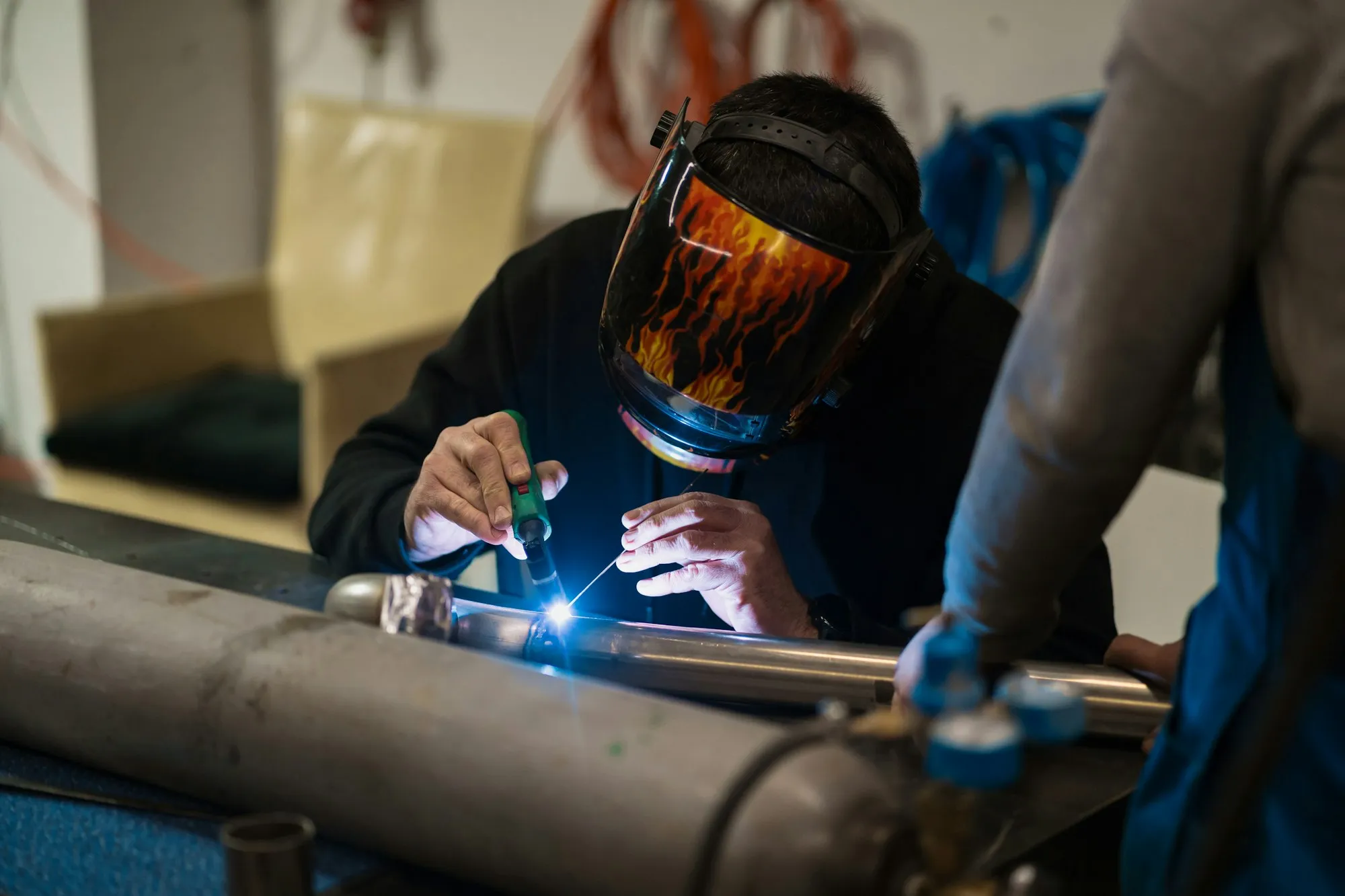
The rise of autonomous vehicles is transforming the way we perceive transportation. These self-driving cars rely on a myriad of sensors, cameras, and advanced systems to navigate safely and efficiently. As autonomous vehicles become more mainstream, the demand for specialized auto parts and components to support this technology will surge. From LiDAR sensors to high-performance processors, the future of auto parts will cater to the needs of the autonomous revolution. As autonomous vehicles advance, the need for highly precise metal components becomes increasingly important. These structures support sensors, electronic systems, and critical safety features. Processes such as laser cutting and metal fabrication enable the accuracy and durability required for these parts. Due to these demands, companies often partner with manufacturers like AMG Industries (Learn about AMG Industries here), which often play a key role in supplying the precision-engineered components essential to the development of autonomous vehicle technology.
5. Lightweight and Stronger Materials
Vehicle manufacturers want to reduce weight without lowering safety. A lighter vehicle uses less fuel or battery power, which improves efficiency and driving range. This goal has increased the use of aluminium, carbon fibre, advanced plastics, and high-strength steel.
New materials can resist heat, corrosion, and impact. Battery covers need heat resistance, while body panels need strength and low weight. Manufacturers may combine different materials in one component to improve performance.
6. 3D Printing and Flexible Production
3D printing helps manufacturers design and test parts faster. Engineers can create a prototype, test it, change the design, and print another version without producing expensive tools for every adjustment.
This technology can also produce complex shapes and customised components. It may help suppliers create rare parts for older vehicles when original stock no longer exists. Traditional methods will continue to support mass production, but 3D printing will grow in prototypes, tools, replacement parts, and performance components.
7. Sustainable and Recycled Auto Parts
Environmental goals now influence the design and production of auto parts. Manufacturers increasingly use recycled metals, plastics, and recovered materials. They also design components that workers can separate and recycle more easily at the end of a vehicle’s life.
Remanufacturing will also grow. Companies can collect used motors, alternators, batteries, and electronic units, then inspect and rebuild them. This process reduces waste and lowers the demand for new raw materials.
8. Software Will Shape Physical Components
Software now controls braking support, battery use, steering assistance, and cabin features. Manufacturers can improve some functions through remote updates instead of changing the hardware.
Processors, sensors, and control units must support future software features. This connection between hardware and software will affect part design, testing, repair, and replacement. Technicians will need both mechanical knowledge and digital diagnostic skills.
Conclusion
The future of auto parts will depend on electric power, smart sensors, artificial intelligence, advanced materials, autonomous systems, and sustainable production. Suppliers must adapt as vehicles rely more on electronics and software. Repair shops must also develop new skills and use modern diagnostic tools. Companies that focus on accuracy, safety, and flexible manufacturing will help build the next generation of vehicles.